

 Copy to clipboard
After years of engineering, iteration and regulatory rigor, ALLUMIN8 earned FDA 510(k) clearance of the A8 INTEGR8 Porous Pedicle Screw System, a 3D-printed implant platform designed to enhance fixation and support the body’s natural healing response. The system includes a full portfolio of pedicle screw sizes, and its smallest 5.5mm diameter option represents a significant engineering breakthrough. No other company has cleared through FDA a porous, 3D-printed pedicle screw at this diameter with topography along the shank of the screw.
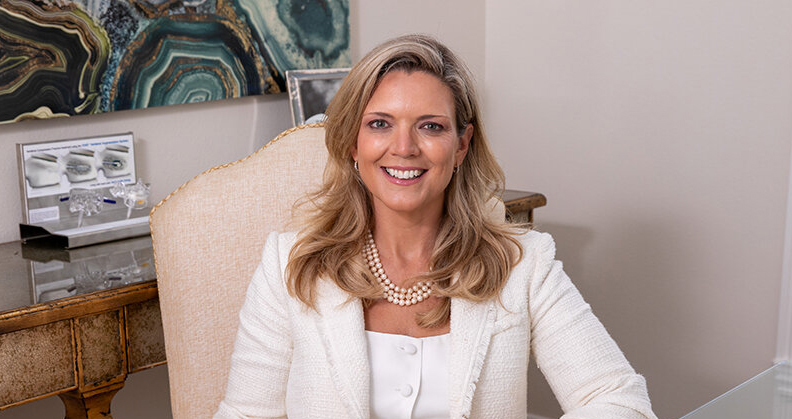
The foundation of A8 INTEGR8 reflects insights gathered by ALLUMIN8 Founder and CEO Alyssa Huffman through decades spent across the orthopedic care continuum, which provided an end-to-end perspective on the recurring patterns of surgical success and failure.
Throughout her journey, repeated complications such as pedicle screw loosening, bone loss, infection and the need for revision surgeries surfaced as persistent and preventable challenges. These experiences revealed a critical gap in existing implant systems and sparked a shared commitment within the ALLUMIN8 team to engineer a platform capable of improving fixation and supporting more reliable outcomes.
A8 INTEGR8 took shape through extensive clinical immersion as well as the engineering vision and manufacturing expertise of Matthew Shomper, whose leadership in advanced lattice design and additive manufacturing translated early concepts into a mechanically optimized, fully topographically porous platform. The device was shaped through real clinical insights, precision engineering and the efforts of a multidisciplinary team.
Implant failure is rarely a material issue alone; biological response plays a central role. Patients present with widely varying bone quality influenced by age, systemic disease, osteoporosis, diabetes, trauma, smoking history and cancer treatment. Traditional implants often focus on optimizing materials, such as titanium or PEEK, without fully addressing the dynamic interaction between hardware and biology.
“The best quality bone for spinal fusion is in the pedicle, and considering bone mineral density is on a spectrum, it’s important to capture every opportunity to reduce loosening by optimizing design in areas of the best quality of bone available for the patient,” Huffman said. “We believe providing opportunities for ingrowth with the Gaussian bone pattern topography in between the threads and texture on the threads in this region is vital to reduce overall toggle.”
The A8 INTEGR8 platform focuses on stability where bone quality is strongest: the proximal pedicle region. Its thread geometry and fully porous structure were engineered to reduce toggling, maximize mechanical stability and support biological on-growth and in-growth precisely at the region most responsible for long-term fixation. This design represents a departure from traditional distal-dominant fixation strategies.
While A8 INTEGR is FDA-cleared for mechanical fixation, the system’s architecture was strategically designed with future biological integration and therapeutic delivery in mind.
“True therapeutic hardware requires purposeful design features, including integrated bone marrow delivery, integrated drug delivery and integrated biologic delivery. If a device is not engineered to deliver therapeutics, it is not Therapeutic Hardware,” Huffman said.
ALLUMIN8 coined and trademarked the term Therapeutic Hardware to redefine how implants can support healing rather than simply provide fixation. Therapeutic Hardware at ALLUMIN8 represents a shift in implant design philosophy, focused on reducing revision rates by addressing both mechanical stability and the biological environment in which spine implants must perform.
The company’s Therapeutic Hardware capabilities has not been cleared for use through FDA.
Huffman said A8 INTEGR8 is more than a set of implants. “It’s a strategic platform engineered for the next era of therapeutic spine care,” she added. “FDA clearance marks a major milestone and the beginning of what this technology can enable for patient care. Our mission is to reduce spinal and orthopedic reoperation rates. That’s what matters most to our team. The future lies in slow, targeted molecular delivery — therapeutics that address multiple concurrent disease states.”